


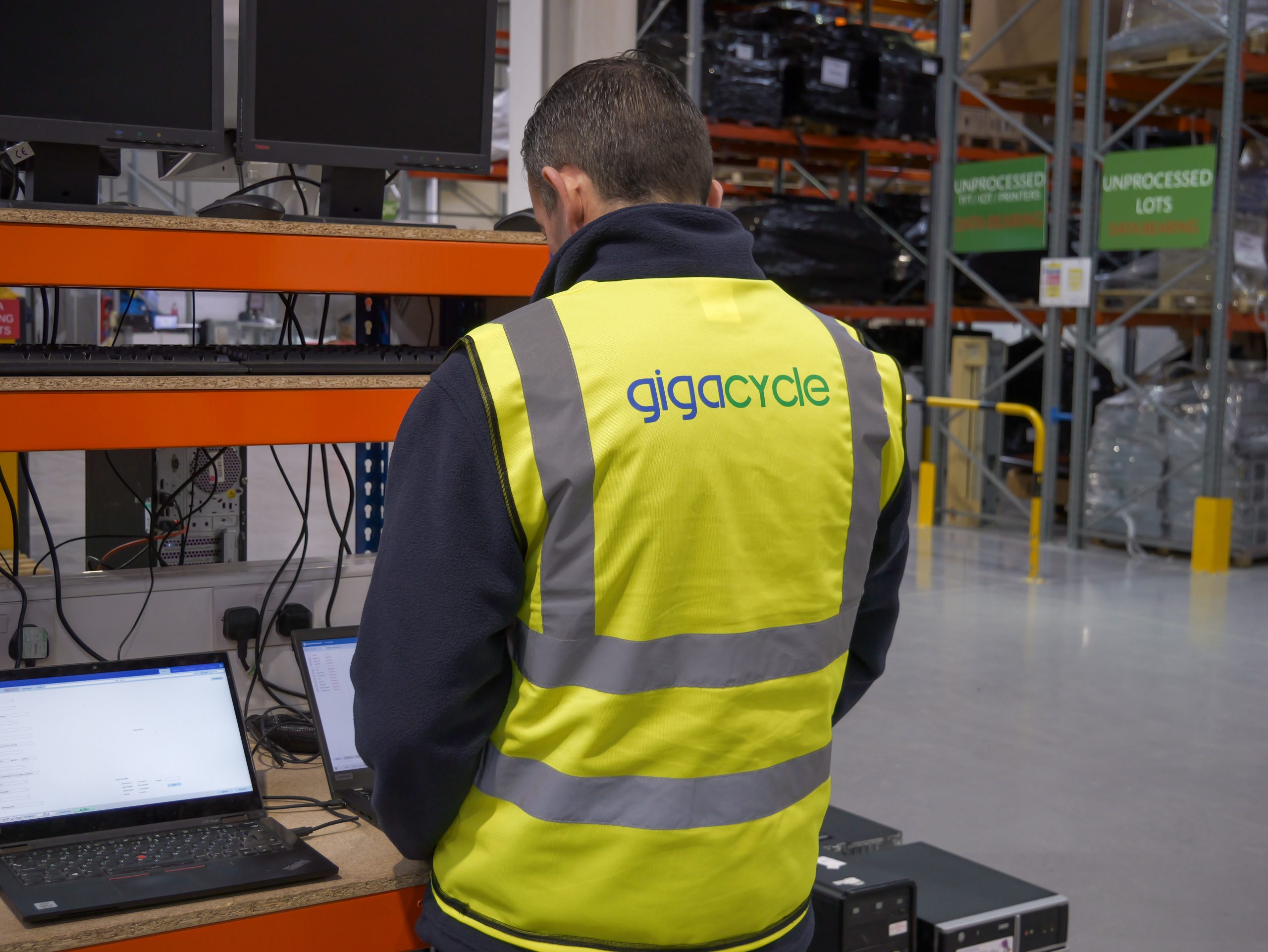
How to Dispose of Business Laptops Securely: Guide for UK IT Managers
As businesses upgrade technology and refresh devices knowing how to dispose of business laptops has become a critical responsibility for IT managers. This process goes far beyond simply recycling hardware it involves data security, legal compliance, environmental responsibility and audit ready documentation. Failure to follow a structured approach to corporate laptop disposal can result in data breaches, regulatory fines and reputational damage. This guide explains how to approach secure laptop disposal in the UK, covering best practices, legal requirements and the most effective data destruction methods.
What is the Most Secure Way to dispose of Business Laptops?
The most secure way to dispose of business laptops is through a structure IT asset disposal service (ITAD). Rather than handling devices internally businesses use providers like Gigacycle to ensure every step from collection to final disposal is fully secure, tracked and documented.
A compliant process typically includes:
- Asset auditing and tracking
- Secure collection and transportation
- Certified data destruction
- Remarketing
- WEEE complaint laptop recycling
- Full documentation and reporting
Secure laptop disposal is not just about removing hardware it is about ensuring that data is irretrievable and the entire process is auditable.
Why Secure Laptop Disposal Matters in 2026
Laptops are among the most data rich devices in any business.
They store:
- Customer and employee data
- Emails and login credentials
- Financial and operational records
Improper disposal can lead to serious risks:
- Data breaches and cyber incidents
- GDPR fines and legal penalties
- Environmental violations under WEEE regulations
- Loss of corporate reputation
UK businesses must now treat business laptop decommissions as part of their cyber security and compliance strategy not just an operational task.
Legal Requirements for Business Laptop Disposal in the UK 2026
Understanding the legal requirements for business laptop disposal in the UK for 2026 is essential for IT managers. Key regulations include:
UK GDPR
Businesses must ensure that all personal data is permanently destroyed when no longer required. This applies to laptops, storage devices and backups.
Data Protection Act 2018
Defines how businesses must handle and dispose of sensitive data.
WEEE Regulations
This requires businesses to dispose of electronic waste responsibly through authorised recycling channels.
Waste Management
Businesses must ensure waste is handled by authorised providers and properly documented.
Failure to comply can result in fines and significant reputational damage.
GDPR Laptop Disposal Checklist
To remain complaint, IT managers should follow a clear GDPR laptop disposal checklist:
- Maintain a full asset register (serial numbers, users, locations)
- Remove devices from active systems
- Ensure secure storage before disposal
- Use certified data destruction services
- Choose an authorised ITAD provider such as Gigacycle
- Obtain certificates of data destruction
- Retain audit documentation (chain of custody & transfer notes)
A strong audit trail is essential. Businesses must be able to prove what happened to every device.
Should I Shred or Wipe My Company’s Old Laptop Hard Drives?
This is one of the most common questions asked by IT managers. However, the answer depends on the sensitivity of the data and the intended outcomes of the device.
| Data Wiping | Hard Drive Shredding |
| Uses certified tools to overwrite data | Physically destroys the storage media |
| Allows devices to be reused or resold | Ensures data is completely unrecoverable |
| Require verification and certification | Ideal for high risk or confidential data |
| Prevent reuse of the data |
For the best practice businesses should use data wiping for reusable devices and hard drive shredding services for high risk or damaged devices. If data cannot be verified as erased, then physical destruction is the safest option.
The business Laptop Decommissioning Process
A structured business laptop decommissions process ensures nothing is missed.
Asset audit and Tracking
Every laptop must be logged with serial number, user history and condition.
Secure Collection
Devices should be collected by vetted professionals using tracked transport.
Data Destruction
Certified data destruction services must be applied before any further processing.
Testing and Grading
Devices are assessed for reuse, resale and reused.
Laptop Recycling or Remarketing
Working devices are refurbished and reused. End of life devices are sent for laptop recycling.
Documentation
Full reporting must include:
- Certifications of destruction
- Asset tracking logs
- Waste transfers documentation
This structured approach ensures compliance, security and sustainability.
Laptop Recycling and Environmental Responsibility
Sustainability is now a major driver behind disposing of old corporate laptops.
Under WEEE regulations, it is important that businesses avoid landfill disposal, use authorised recycling providers and ensure hazardous materials are handled safely.
Improper disposal can harm the environment and lead to legal penalties.
Benefits of Laptop Recycling:
- Reduces e-waste
- Recover valuable materials
- Supports ESG goals
- Enhances corporate sustainability reporting
Many ITAD providers also offer asset value recovery allowing businesses to offset cost through resale of refurbished devices.
The role of IT Asset Disposal Services
Professional IT asset disposal services play a crucial role in secure laptop disposal.
A reliable provider will offer:
- Secure collection and logistics
- Certified data destruction services
- Hard drive shredding and wiping options
- WEEE complaint recycling
- Full audit documentation
ITAD providers ensure that the entire lifecycle from collection to disposal is secure, compliant and fully traceable.
Risk of Disposing of Old Laptops Incorrectly
Improper disposing of old corporate laptops can expose businesses to:
Data Breaches
Without proper destruction deleted files can be recovered.
Compliance Failures
Lack of documentation or improper handling can result in regulatory action.
Environmental Penalties
Illegal disposal of e-waste breaches WEEE regulations.
Reputational Damage
Public data breaches can damage customers trust and brand credibility.
Secure disposal is critical for businesses.
Best Practices for Secure Laptop Disposal in the UK
To ensure secure laptop disposal in the UK, follow these practices:
- Partner with certified ITAD providers such as Gigacycle
- Use a documented chain of custody
- Use the correct data destruction methods
- Keep detailed audit records
- Align disposal with ESG and sustainability goals
- Plan disposal as part of IT lifecycle management
Some IT managers now integrate disposal into asset lifecycle strategies.
Conclusion
In 2026 corporate laptop disposal is no longer just about removing old devices it’s about protecting data, ensuring compliance and supporting sustainability.
By following a structured business laptop decommission process and using trusted IT asset disposal services, businesses can:
- Eliminate data security risks
- Meet GDPR and WEEE requirements
- Reduce environmental impact
- Maintain full audit compliance
Whether you choose certified data destruction services, hard drive shredding services or laptop recycling. The key is having a secure, documented and professionally managed process.