


Hard Drive Shredding vs Data Erasure: Which Method Should Your Business Use?
When businesses retire old computers, servers and storage equipment, one of the most important decisions is what to do with the data stored on the drives. Simply deleting files or formatting a device does not necessarily make the information unrecoverable, so businesses need a secure method of data sanitation. Two of the most common approaches are data erasure and physical destruction. But when comparing hard drive shredding vs data erasure, how do you know which option is right for your business?
This guide explains the difference between data erasure vs destruction, when to choose each method, and how businesses can make the right decision as part of a secure IT asset disposal strategy.
Hard Drive Shredding vs Data Erasure: What’s the Difference?
The main difference is what happens to the physical drive.
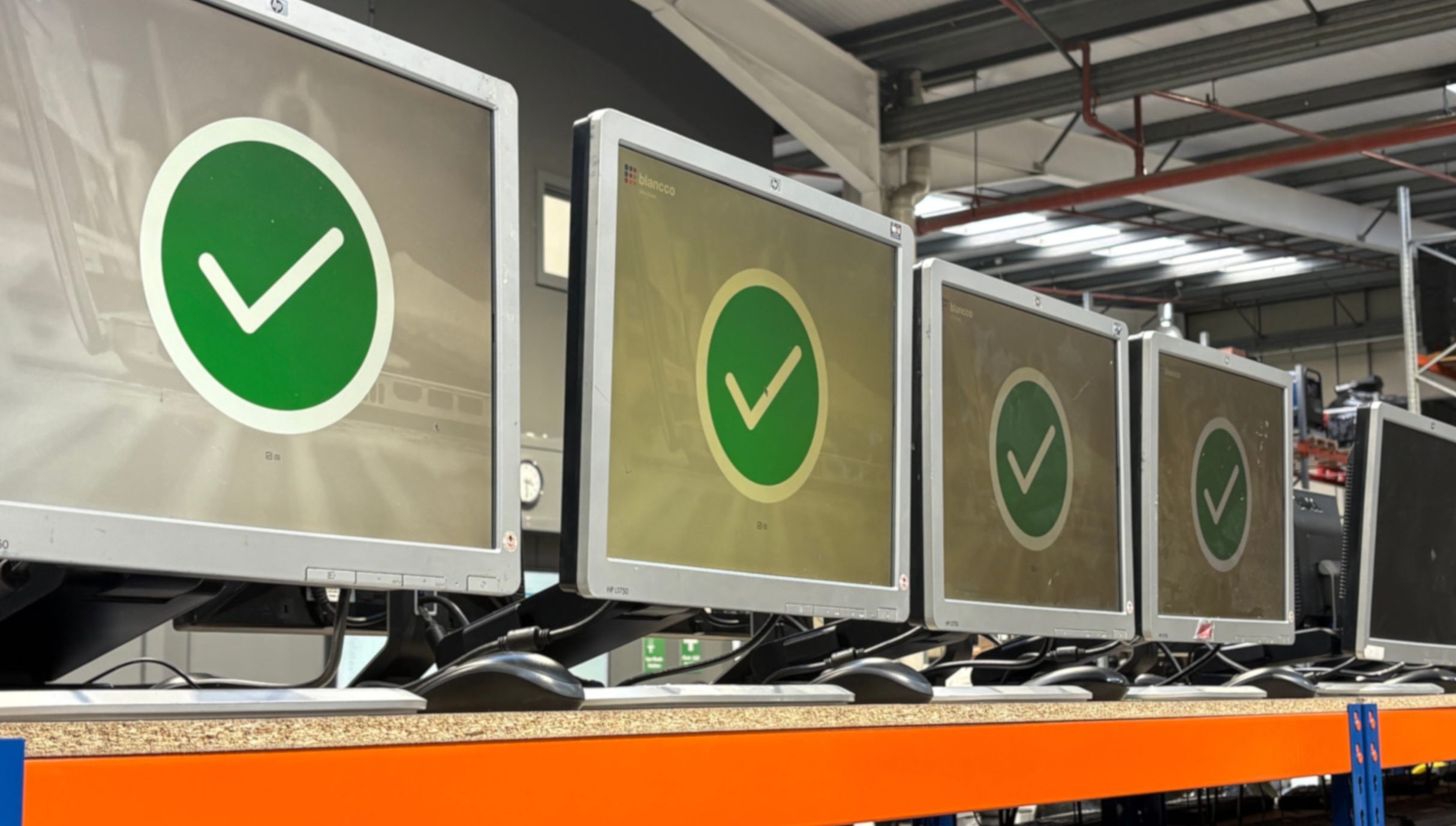
With data erasure, information is securely removed from the storage device using specialist software. The drive remains physically intact, meaning it may be suitable for resale or reuse.
With physical destruction, the storage device itself is destroyed, making the data stored on it inaccessible.
| Hard Drive Shredding | Data Erasure |
| Physically destroys the drive | Uses specialised software overwrite tools |
| Drive cannot be reused | Drive remains intact |
| Suitable when drives are end-of-life or highly sensitive | May allow media reuse |
| Form part of a secure IT disposal process | Suitable for drives that remain functional |
| Form part of a secure IT disposal process |
Is Data Erasure as Secure as Shredding?
A certified data erasure process can securely remove data from a drive without physically destroying the hardware. However, the security of the process depends on using an appropriate sanitation method and being able to verify that it was completed successfully.
Physical destruction takes a different approach by destroying the storage device itself.
The key consideration isn’t which method is more secure, but which method is most appropriate for the drive and the sensitivity of the data.
Businesses should consider:
- The sensitivity of the information
- The type and condition of the storage media
- Whether the drive needs to be reused
- The business’s internal security policies
- The level of audit evidence required
When Should a Company Shred Rather Than Wipe a Drive?
Knowing when to shred a hard drive depends on the sensitivity of the data, the condition of the storage media and whether reuse is possible.
For businesses comparing hard drive wiping vs shredding, physical destruction may be the preferred option when:
- A drive is damaged or cannot be reliably sanitised
- The business has strict physical destruction requirements
- The equipment has reached end-of-life
- The drive is being permanently removed from service
- The risk associated with retaining the physical media is considered too high
For businesses managing large volumes of retired equipment, HDD shredding can provide a practical way to permanently destroy unwanted hard drives.
However, shredding is not automatically the right choice for every device. Destroying drives that could have been securely reused may result in lost asset value and unnecessary electronic waste.
Can Erased Hard Drives Be Reused?
One of the biggest advantages of secure data erasure is that the hardware stays intact. Once the data has been successfully sanitised, the drive may be eligible for reuse.
This can allow businesses to:
- Redeploy equipment internally
- Refurbish devices
- Resell hardware
- Recover residual asset value
- Reduce unnecessary electronic waste
This is known as reuse eligibility.
However, businesses should not assume that every erased drive is automatically suitable for reuse. The drive should also be assessed for its physical condition, reliability and remaining useful life.
For businesses focused on sustainability, securely sanitising suitable equipment can support media reuse.
When Is Physical Destruction the Better Option?
Physical destruction is often considered when a business has decided that the storage device should never be used again.
This could be because the drive has failed, contains sensitive information, or has reached end-of-life.
Secure hard drive destruction can involve hard drive shredding services, where the storage device is physically destroyed and processed through an appropriate disposal route.
What Evidence Should a Business Keep?
Regardless of the method selected, businesses should maintain appropriate records of the process.
This may include documentation showing:
- Which assets were processed
- The serial numbers of the drives
- The erasure method used
- The date of processing
- Data destruction certificates
These records create valuable audit evidence.
Maintaining appropriate documentation such as a certificate of destruction is an important part of demonstrating compliance during internal and external audits.
To learn more about secure disposal processes, read our guide to data destruction best practices.
Choosing the Right Approach for Your Business
The right approach depends on the condition and sensitivity of each asset. When evaluating data erasure vs destruction, businesses should consider whether the storage device is still functional, the sensitivity of the data on the device, and whether there is any value in reusing or reselling the hardware.
Choose data erasure when:
- The drive is still functional
- The equipment could be reused
- Secure sanitisation is appropriate
- The business wants to maximise asset value
- Reducing unnecessary waste is a priority
Choose physical destruction when:
- The drive is damaged or unusable
- The equipment has reached end-of-life
- Data sensitivity requires permanent destruction
- Physical destruction is required by internal policies
Conclusion
Choosing between data erasure and physical destruction depends on the condition of the drive, the sensitivity of the data, and whether the hardware could be reused. Secure erasure can protect data while allowing suitable equipment to be reused, while shredding provides a permanent solution for drives that should not be used again.
By choosing the right method and keeping clear records of the process, businesses can protect sensitive information while managing their IT assets securely and responsibly.